
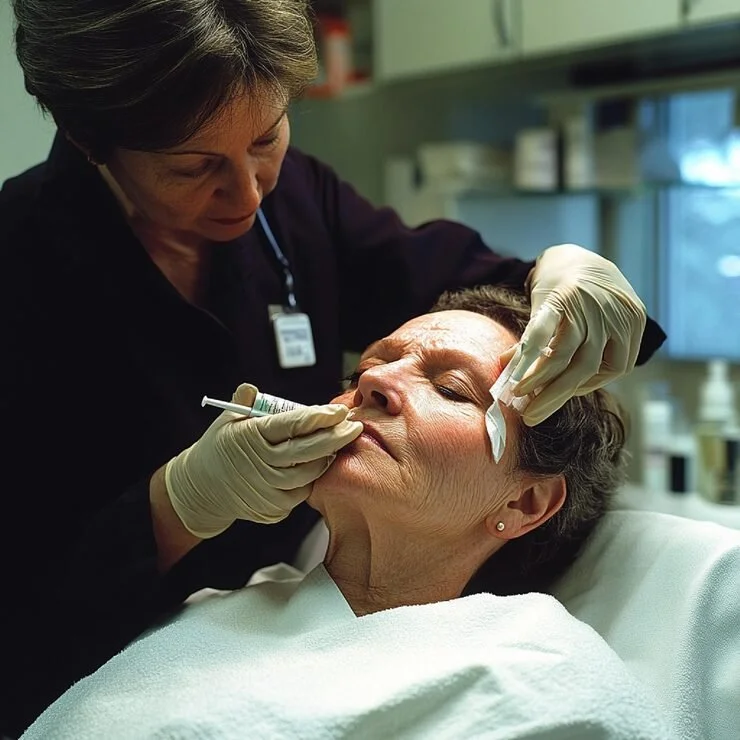
Clinical Procedure
Skin Substitute Treatments
When a wound has stopped healing despite weeks of standard care, skin substitutes can be the breakthrough that gets it moving again. Also called cellular and tissue-based products (CTPs) or skin grafts, these advanced therapies provide a biological scaffold that helps the body grow new, healthy tissue across a stubborn wound.
Emet Mobile Wound Care offers in-home application of skin substitutes for qualifying patients — bringing a treatment that was once available only at specialty wound centers directly to the home.
Skin Substitutes
What Are Skin Substitutes?
Skin substitutes are advanced wound care products derived from human placental tissue, amniotic membrane, or other carefully processed biological sources. They contain growth factors, collagen, and other components that signal the body to regenerate tissue. When applied to a clean, debrided wound bed, they can dramatically accelerate the healing of wounds that have failed conventional treatment.
Common products in this category include amniotic membrane allografts and dehydrated human amnion/chorion membrane (dHACM) grafts.
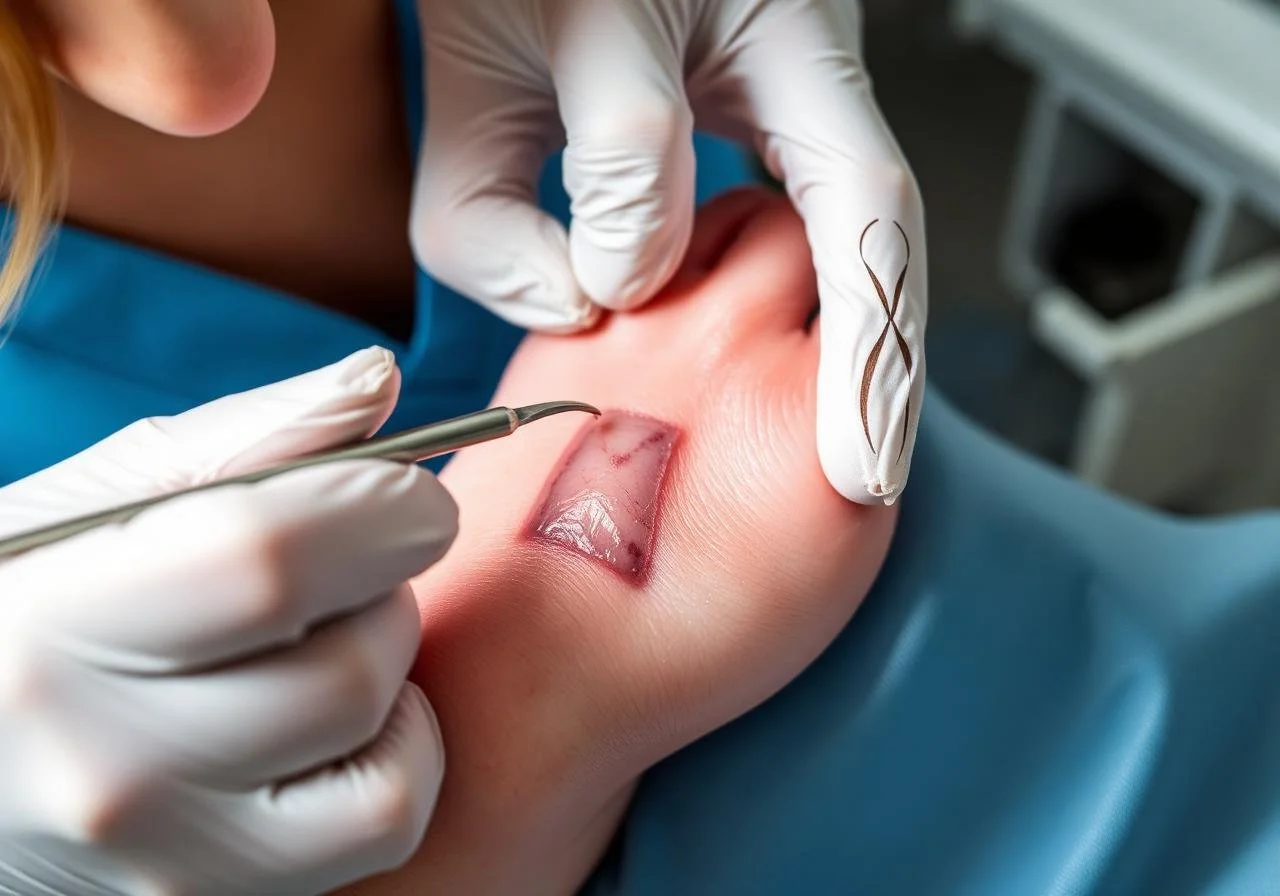
Advanced grafts derived from carefully processed biological tissue.
Not every wound is appropriate for skin substitute therapy. Eligibility depends on wound characteristics, vascular status, infection control, and Medicare or insurance coverage criteria.
Conditions Treated
When grafts are appropriate
Skin substitutes are most often used for:
- Diabetic foot ulcers that haven't responded to 4+ weeks of standard care.
- Venous leg ulcers with documented compression therapy compliance.
- Chronic, non-healing wounds with healthy granulation tissue.
- Post-debridement wound beds ready for advanced therapy.
How the Treatment Works
The wound is first thoroughly assessed, debrided, and prepared. The skin substitute is then carefully sized, placed onto the wound bed, and secured with a non-adherent dressing. Most products are applied weekly or every other week, depending on the protocol and the wound's response. Most patients experience little to no discomfort during application.
Eligibility and Insurance
We handle the paperwork
Skin substitute therapy has specific Medicare and insurance coverage requirements, including documentation of failed conservative treatment, appropriate wound type, and adequate vascular supply. We handle the clinical documentation, IVR (insurance verification), and coordination with product manufacturers — patients and families don't have to navigate any of it.
Ready to start care at home?
Schedule a visit or refer a patient. We serve Los Angeles, the San Fernando Valley, and surrounding Southern California communities.