
Treatments & Support
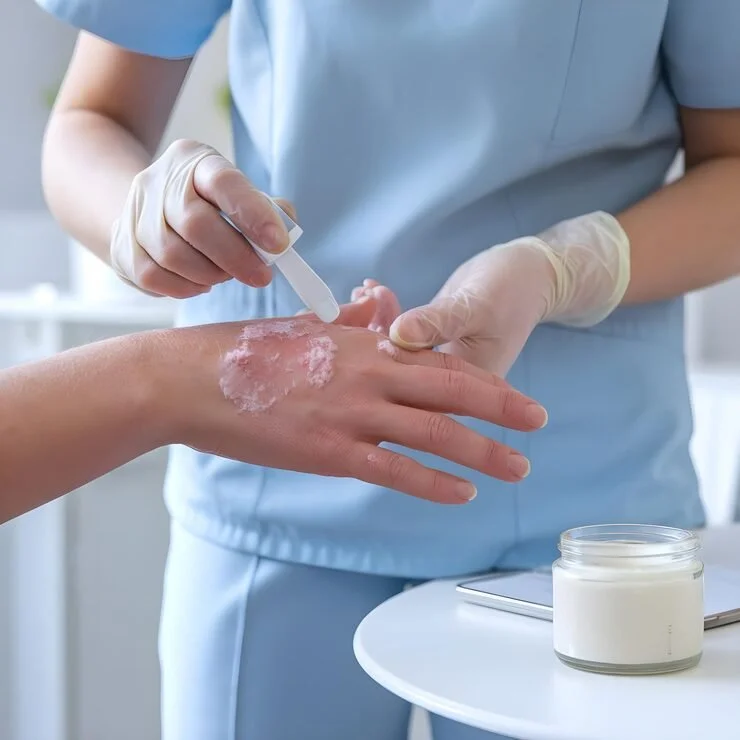
Wound Infection Management
A wound infection can derail healing and, if left untreated, lead to serious complications including cellulitis, osteomyelitis, sepsis, or even amputation. Catching and treating infection early is one of the most important things skilled wound care can do — and it's something many patients don't get until the situation has already escalated.
At Emet Mobile Wound Care, infection assessment is built into every visit. We don't wait for things to get worse.
How we Recognize Infection
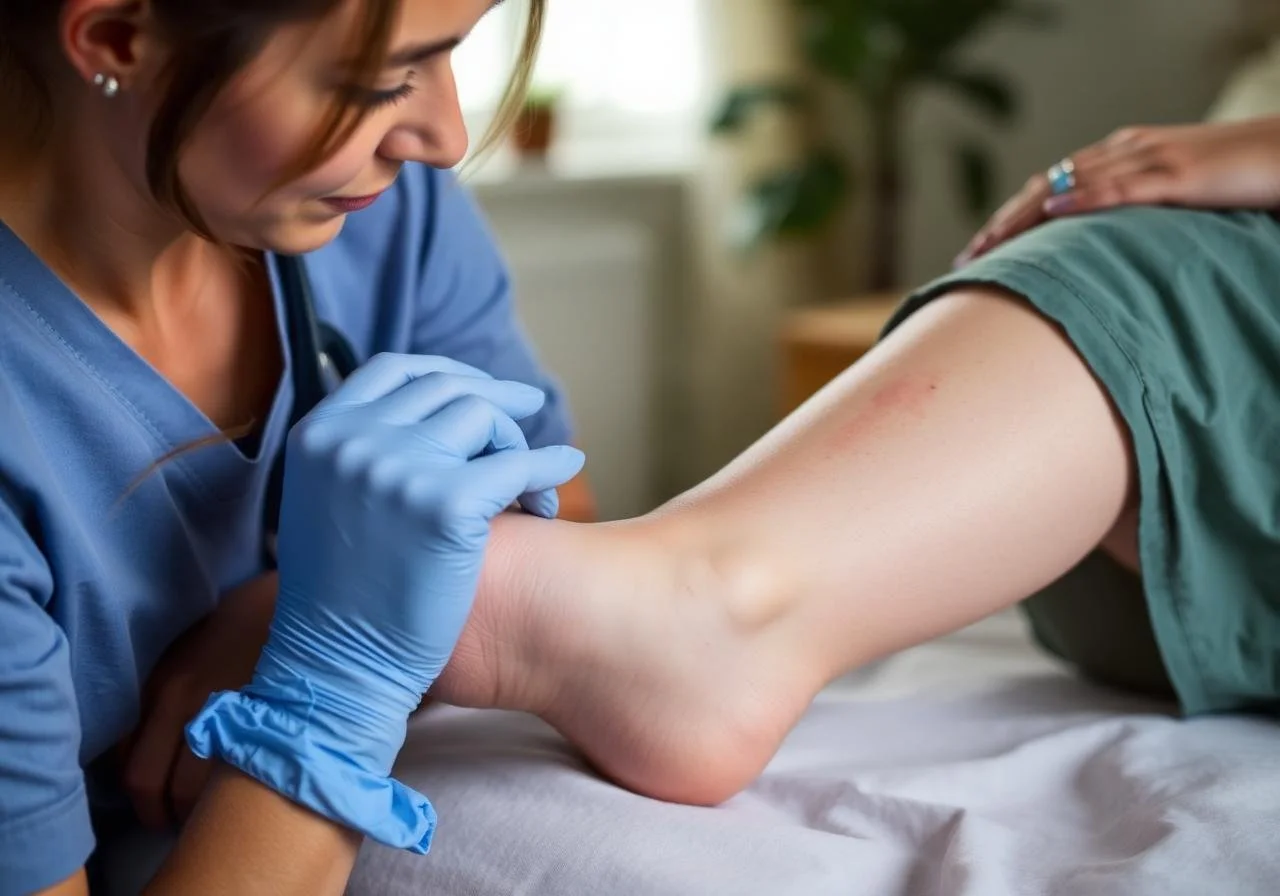
Recognizing Wound Infection
Not every red wound is infected, and not every infected wound looks dramatic. The signs we look for include:
- Increased redness around the wound, especially spreading redness
- Increased drainage, especially if it becomes thick, cloudy, or foul-smelling
- Delayed healing or a wound that has stopped progressing
- Fever or systemic symptoms in more serious cases
- New or changing tissue in the wound bed
- Warmth or swelling
- New or worsening pain
Some chronic wounds carry persistent low-grade infection or biofilm — a protective layer that bacteria form on the wound surface — which can stall healing without ever looking obviously infected.
How we manage infection
For wounds with chronic biofilm, we may use a combination of debridement, antimicrobial dressings, and adjunctive therapies like MIST to disrupt the biofilm and restart healing.
Infection management starts with assessment. Depending on the situation, we may:
Sharp debridement
Remove infected or biofilm-coated tissue from the wound bed.
Coordinate antibiotics
Work with the patient's primary provider on systemic antibiotics when appropriate.
Antimicrobial dressings
Silver, iodine, honey-based, or other agents to manage bioburden.
Adjust dressing strategy
Manage drainage and bacterial load with the right materials.
Wound culture
Identify the specific organism when needed to guide treatment.
Caregiver education
Teach what to watch for between visits — early signs of worsening.
When to escalate
Some wound infections require care beyond what mobile wound care can provide. We're trained to recognize when a wound needs IV antibiotics, hospitalization, surgical intervention, or specialty referral — and we coordinate that escalation quickly. The goal is always to catch infection early enough that it can be managed at home, but never to delay higher-level care when it's needed.
Ready to start care at home?
Schedule a visit or refer a patient. We serve Los Angeles, the San Fernando Valley, and surrounding Southern California communities.