
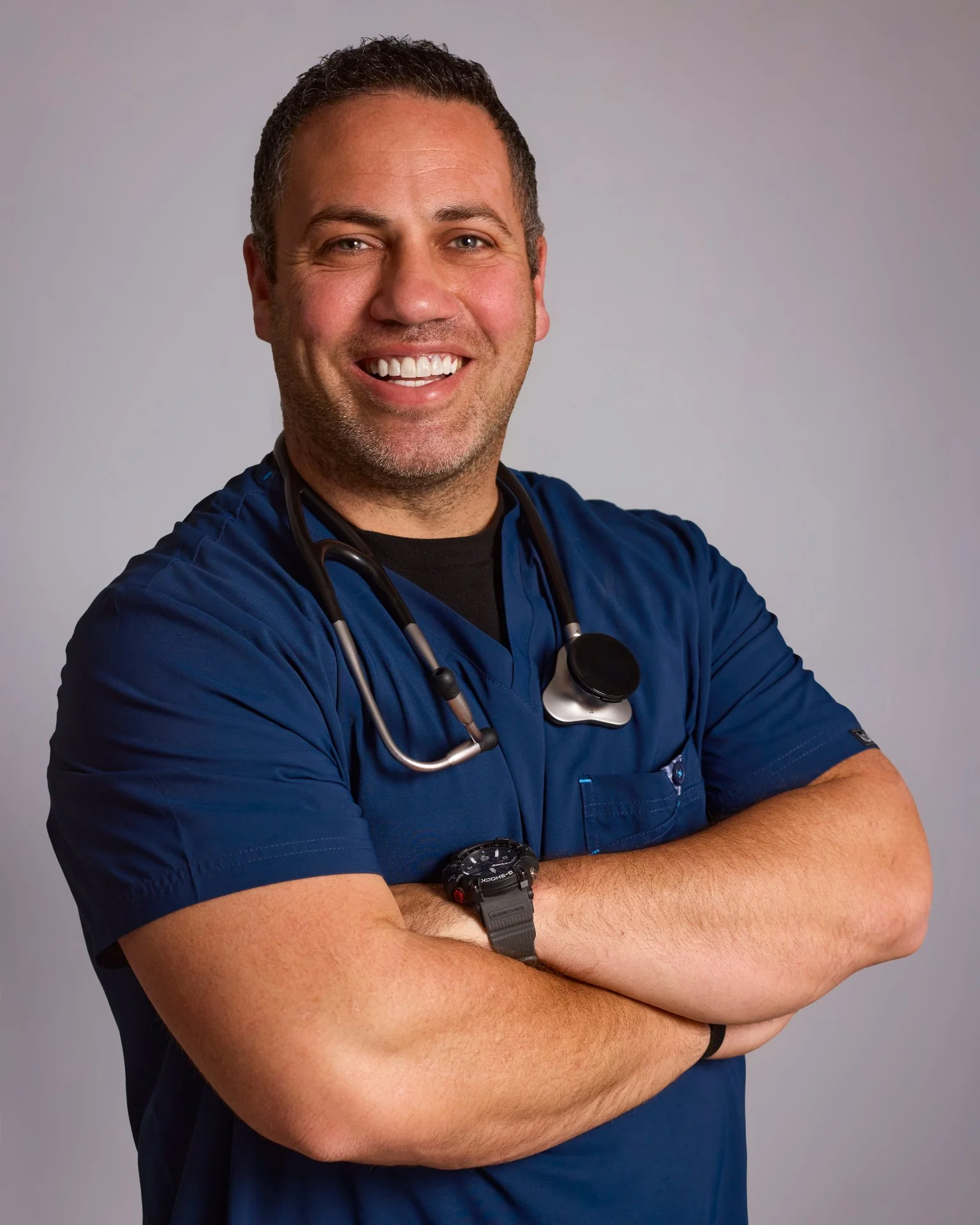
Founder & Lead Provider
Meet Eli Yachini, FNP-BC, CWCP
Eli Yachini is a board-certified Family Nurse Practitioner and Certified Wound Care Professional based in Northridge, California. He is the founder and lead provider of Emet Mobile Wound Care, where he delivers expert in-home wound treatment to patients across the San Fernando Valley, Santa Clarita, the Antelope Valley, and surrounding communities.
Eli built Emet on a simple idea: patients deserve skilled wound care, delivered honestly, in the place where they actually live.
Northridge, CA · Serving Southern California
Credentials & Experience
A Clinical Career Measured in Decades.
Training and experience that span emergency medicine, clinical research, and advanced wound care.
- Master of Science in Nursing (MSN) — Chamberlain University, Chicago
- Family Nurse Practitioner, Board Certified (FNP-BC)
- Certified Wound Care Professional (CWCP)
- 11 years as a Registered Nurse in Emergency Medicine — including 5 years at a Level II trauma center
- 15 years of total emergency room experience
- 10 years in clinical research as a PK (pharmacokinetic) nurse
- 2 years specializing in wound care
- 1 year of urgent care practice as a nurse practitioner
- Continuing education — regular attendee of national wound care conferences and clinical training programs
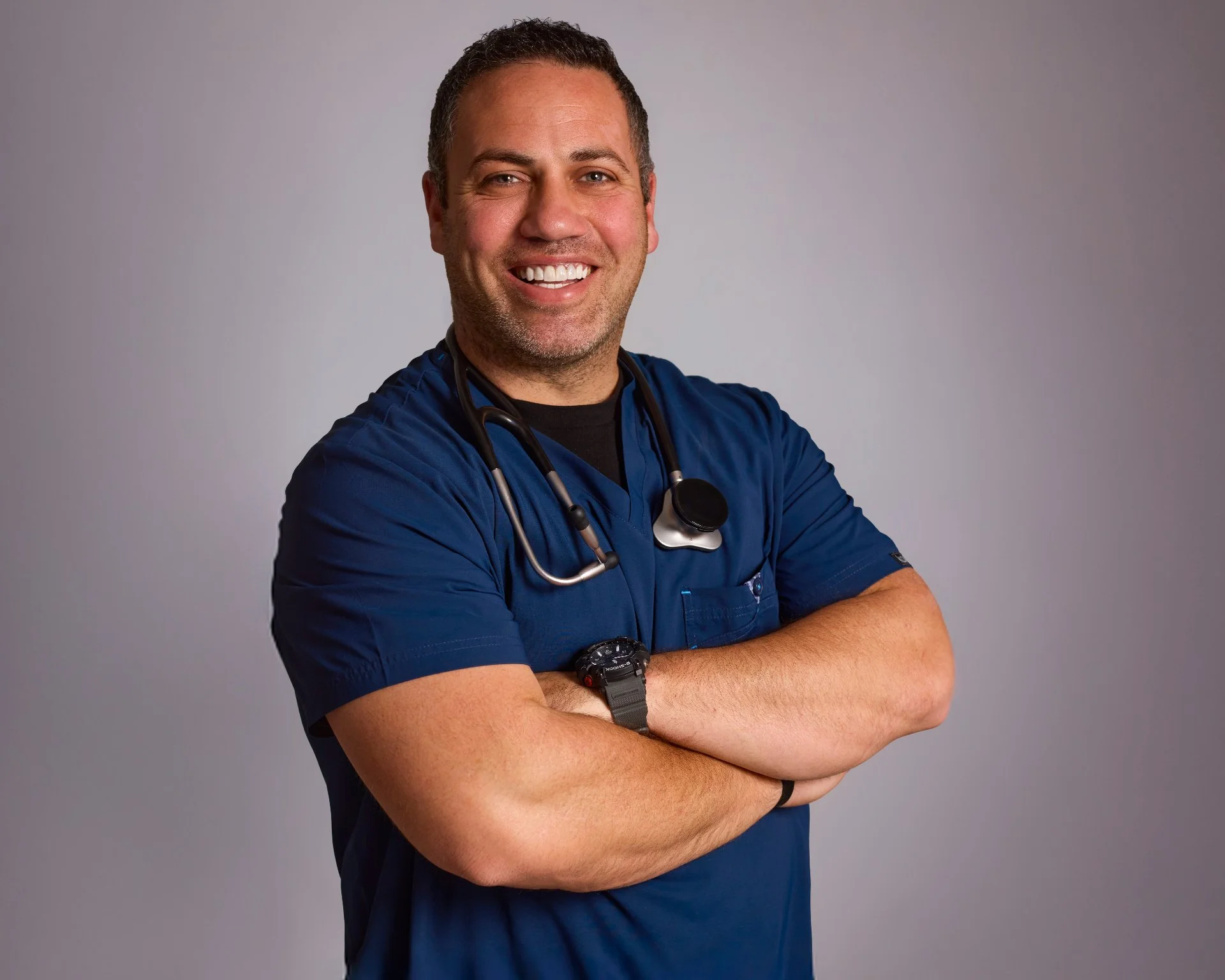
The path to wound care
Wound care wasn't part of the plan. After finishing nurse practitioner school, the first opportunity that came along happened to be in wound care — and within a few months, Eli was hooked.
Two things stood out. First, the work was tangible. Unlike many areas of medicine where progress is measured in lab values or imaging studies, wound care produces results you can see with your own eyes. A wound that's smaller, cleaner, and closer to closed is unmistakable evidence that the treatment is working. That direct, visible feedback loop felt different from anything else in clinical practice.
Second, the patient education piece resonated deeply. So many patients had been living with chronic wounds for months or years without ever being told why their wound wasn't healing or what they could do to change the trajectory. Sitting down with patients and families, explaining the underlying causes — diabetes, circulation, nutrition, pressure — and giving them a real plan to follow consistently led to outcomes that surprised even the patients themselves. That combination of clinical results and patient empowerment is why Eli stayed in the field.
How Eli found wound care.
“Patients heal faster when they actually understand what's happening to their bodies. Education is part of the treatment.”
— Eli Yachini, FNP-BC, CWCP
The founding of Emet
Why Eli Founded Emet
After spending time in wound care and seeing how the industry operated, Eli kept running into the same pattern: a system that often prioritized billing over healing. Patients receiving treatments they didn't need. Wounds being managed in ways that maximized visit frequency rather than maximizing recovery. Care plans driven by what was reimbursable rather than what was right.
Emet was founded as a deliberate alternative. The name is an ancient word for truth — and that's the standard the practice is built on. Honest assessments. Honest expectations. Honest care plans that prioritize what the patient actually needs, not what generates the highest reimbursement. When a wound doesn't need a particular advanced therapy, Eli says so. When it does, he explains why in language patients and families can understand.
In a field where shortcuts are common, Eli's commitment is straightforward: treat every patient the way he'd want his own family to be treated.
Emet
An ancient word for truth — the standard the practice is built on.
Background
A Clinical Perspective Rooted in the ER
5
Years at a Level II trauma center.
2+
Years specialized in wound care.
10
Years in clinical research.
15+
Years of ER experience.
Eli's background in emergency medicine — including five years at a Level II trauma center — shapes how he practices wound care today. In the ER, he saw wounds at every stage and severity: traumatic injuries, post-surgical complications, advanced diabetic ulcers, infections that had progressed to sepsis, and pressure injuries on patients who'd been living with them for months. A decade of concurrent work as a PK (pharmacokinetic) nurse in clinical research added a rigorous, protocol-driven mindset — the ability to follow evidence closely, document precisely, and think critically about what's actually working.
That experience built two things that benefit every patient he sees now. First, clinical instincts for recognizing when a wound is heading in a dangerous direction — and acting on that recognition early. Second, a high tolerance for complexity. Patients with multiple comorbidities, complicated medication regimens, or difficult social situations don't intimidate him. They're who he's been treating his whole career.
A patient story
A case that stays with him.
One patient stands out as a reminder of why this work matters. An elderly woman with diabetes had been told she would need an amputation. The wound had been open for months, and her family had largely accepted that surgery was the only path forward.
With consistent, skilled wound care delivered in her home — proper debridement, the right dressings, attention to her blood sugar control, and clear education for her caregivers — the wound closed in six weeks. No surgery. No hospital admission. The patient stayed mobile, stayed home, and avoided a procedure that would have changed the rest of her life.
That's the kind of outcome that drives the work. Not every wound has that ending, but every patient deserves a provider who's willing to fight for it.
Five convictions
Philosophy of Care
Eli's approach to wound care is built on a few core convictions:
01
Wounds heal faster when patients understand them. Education isn't a courtesy — it's a clinical intervention.
04
Pain is not optional. Wound care can be made comfortable, and providers should be doing the work to make it that way.
02
The whole patient matters. Nutrition, blood sugar, mobility, mental health, and home environment all affect how a wound heals.
05
Less is often more. The right treatment at the right time outperforms aggressive over-treatment every time.
03
Honest communication beats reassurance. Patients and families would rather hear the truth about progress than feel comforted by vague optimism.
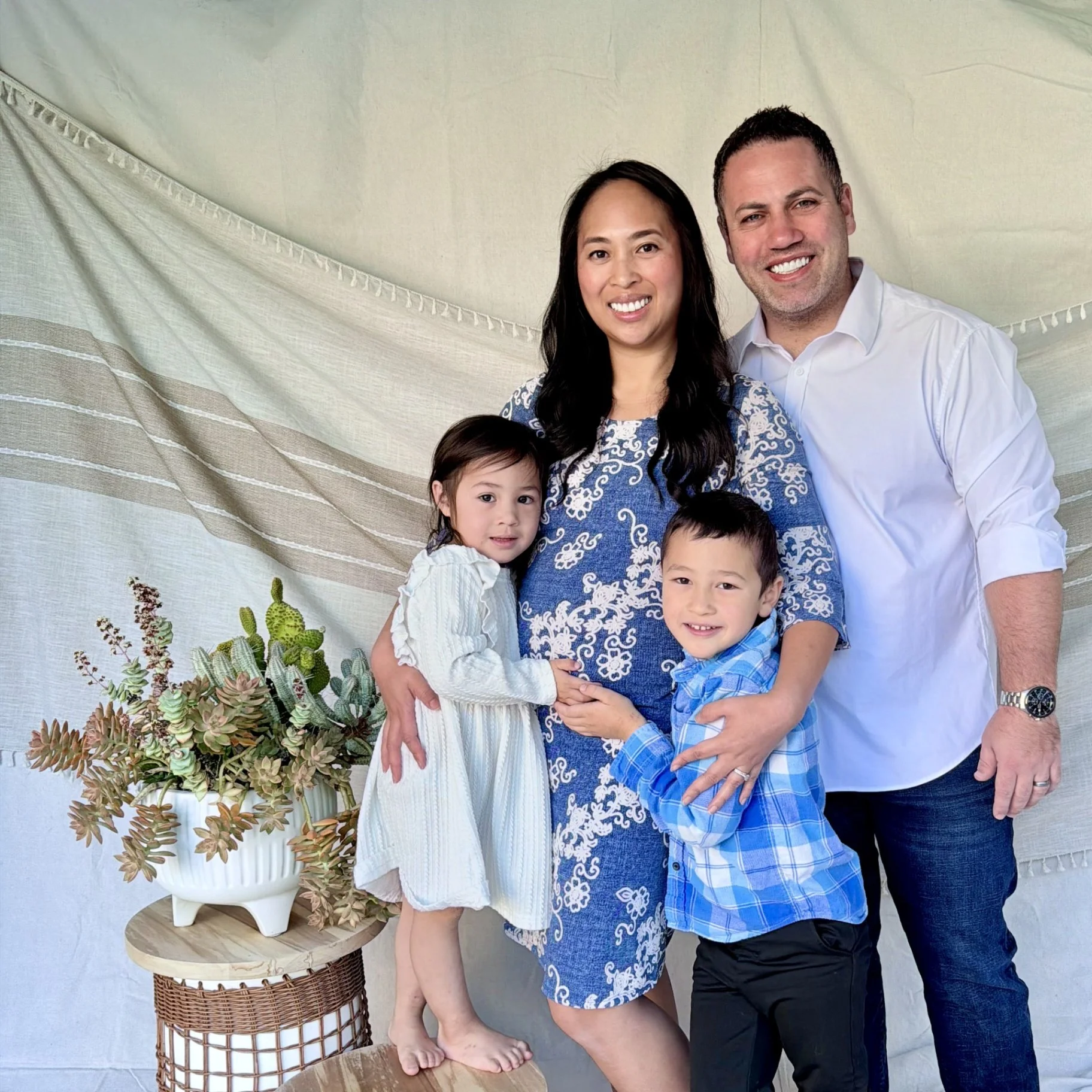
Outside of work
The values he brings home.
Eli lives in the San Fernando Valley with his wife and two children — with a third on the way. When he isn't seeing patients, he spends most of his time with his growing family. The same values he brings to his clinical work — patience, honesty, attention to detail, and genuine care for the person in front of him — are the values he tries to live at home.
Schedule a visit
Ready when you are.
If you or a loved one is dealing with a chronic, non-healing, or complicated wound, Eli and the Emet Mobile Wound Care team are ready to help. We come to the patient — at home, in a skilled nursing facility, or in any care setting across our service area.