
Treatments & Support
Pain Management During Wound Treatment
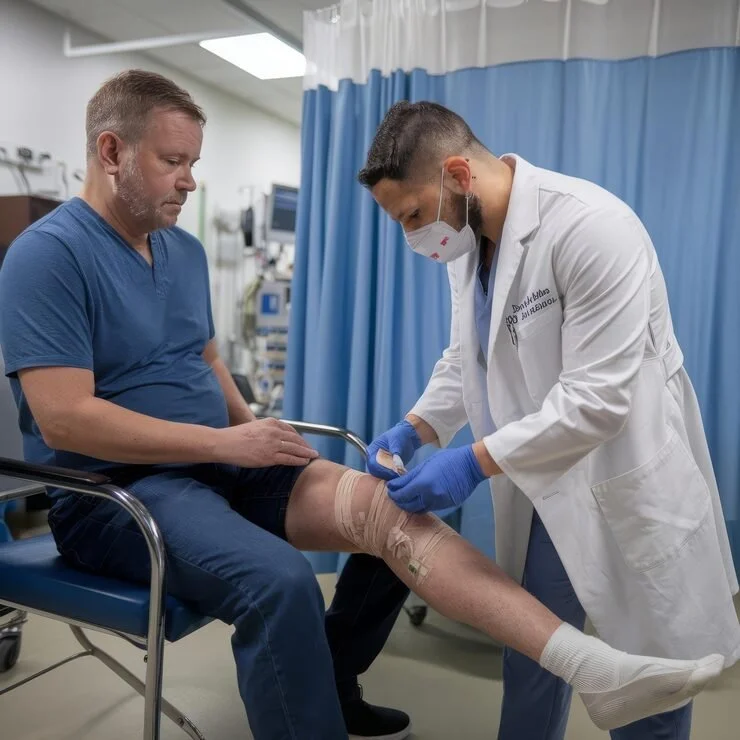
Wound care should never feel like something to dread. Pain — whether from the wound itself, dressing changes, or procedures like debridement — is one of the biggest reasons patients avoid treatment, fall behind on care, or develop anxiety around their healing process. Managing that pain isn't optional. It's part of doing wound care well.
At Emet Mobile Wound Care, pain management is built into every aspect of how we work.
Where wound pain comes from
Different pain, different strategies
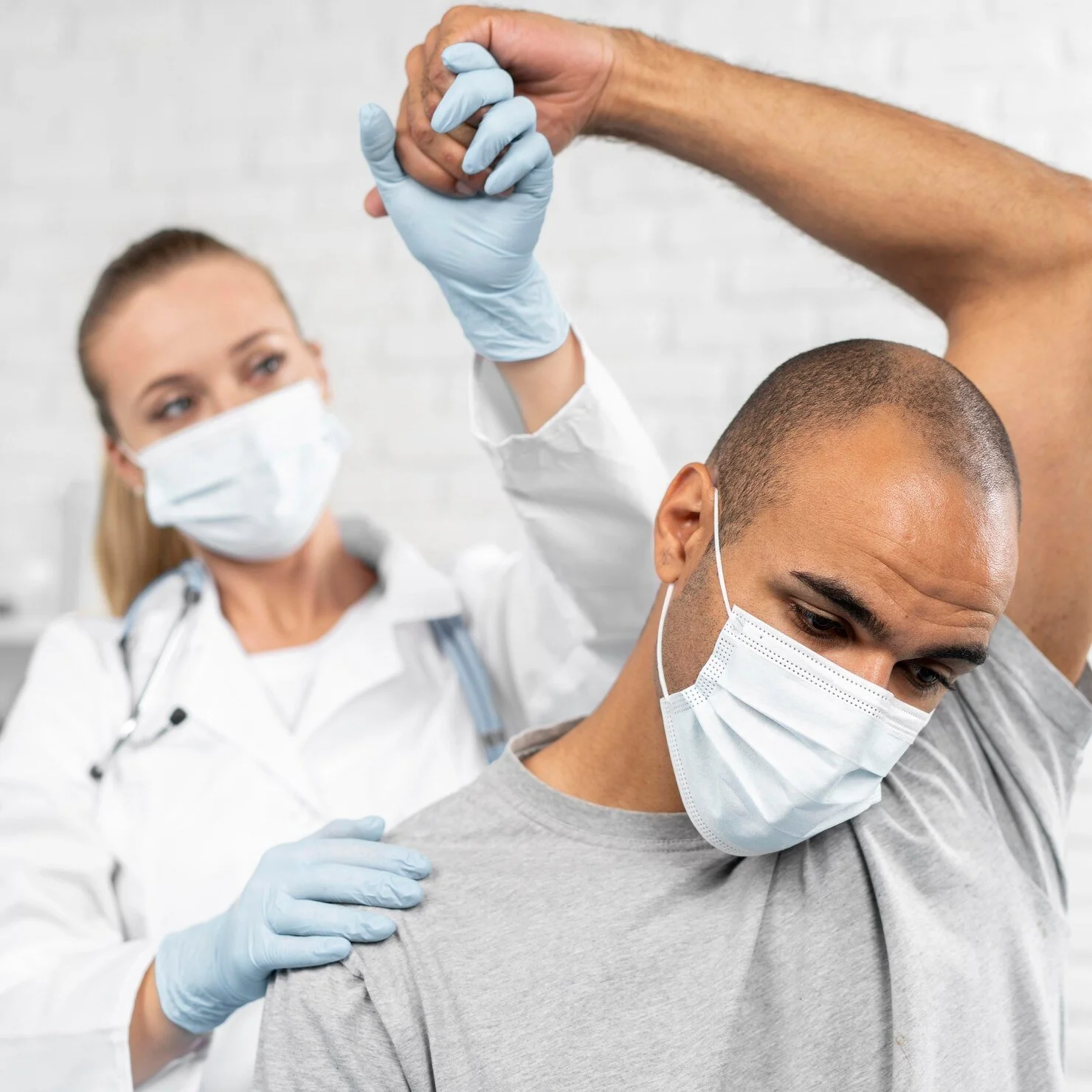
Patients with chronic wounds often experience several different types of pain:
Background pain
Constant ache or burning, often worse with certain positions or activities.
Procedural pain
Sharp, acute pain during dressing changes, debridement, or interventions.
Incident pain
Sudden flares triggered by movement, pressure, or infection.
Neuropathic pain
Burning, shooting, or tingling — common in diabetic foot ulcers.
Each type responds to different strategies, and a one-size-fits-all approach doesn't work.
How We Reduce Pain During Visits
Our approach combines clinical technique with practical comfort measures:
- Local anesthetic is used before sharp debridement when needed — typically topical lidocaine or, for deeper procedures, injectable lidocaine
- Atraumatic dressings that don't stick to the wound bed are selected to make removal painless
- Pre-medication coordination with the patient's primary provider for procedures that may require oral pain medication
- Soaking dried-on dressings before removal rather than pulling them off dry
- Positioning the patient for comfort during the visit, with breaks as needed
- Gentle, slow technique during cleansing and dressing application
For patients with severe procedural anxiety, we work with the primary care team to coordinate appropriate pre-medication strategies.
Beyond individual visits, we look at the bigger picture. Are dressing changes happening too frequently? Is the dressing causing irritation? Is the wound infected? Is there underlying neuropathy that needs to be addressed? Sometimes the best pain management is solving the root problem — a wound that's healing well simply hurts less than a wound that's stalled.
We also coordinate with the patient's primary provider when ongoing systemic pain management is needed, ensuring the wound care plan and pain management plan are working together rather than at cross-purposes.
Long-Term Pain Strategies
A Different Standard of Care
Many patients have been told that wound care just hurts and there's nothing to be done. That isn't true. With the right approach, the right dressings, and the right technique, most wound care can be made tolerable — and often genuinely comfortable. That's the standard we hold ourselves to.
Ready to start care at home?
Schedule a visit or refer a patient. We serve Los Angeles, the San Fernando Valley, and surrounding Southern California communities.